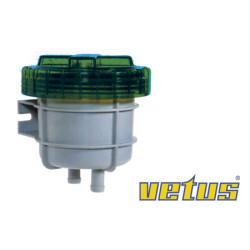
Waste water tanks play a crucial role in managing and storing used water in environments where conventional plumbing infrastructure is unavailable. Found in RVs, boats, mobile homes, off-grid cabins, and even construction sites, these tanks collect and contain waste water safely until it can be properly disposed of. Their design, capacity, and materials are tailored to meet the demands of mobility, hygiene, and environmental safety.
What is a Waste Water Tank?
A waste water tank, also known as a holding tank, is a sealed container designed to store used or contaminated water temporarily. This includes water from sinks, showers, and toilets. Waste water tanks are typically divided into two categories:
- Grey Water Tanks: These hold relatively clean waste water from sources like sinks, showers, and washing machines.
- Black Water Tanks: These hold sewage and toilet waste, requiring more secure and sanitary handling due to the risk of contamination and odor.
Both types are vital in mobile and remote settings to manage waste in a safe, environmentally friendly manner.
Key Features and Components
1. Material and Construction
Most waste water tanks are made from durable, non-corrosive materials like polyethylene or ABS plastic. These materials are resistant to chemicals, odors, and wear and tear. They are designed to be watertight and to prevent leaks, which is critical for hygiene and environmental protection.
2. Capacity
Tank sizes vary depending on the application. A small RV might have a 20–30-gallon tank, while a large motorhome or boat could have separate grey and black water tanks holding 40–100 gallons each. Selecting the right capacity is important to avoid overflow and reduce the frequency of emptying.
3. Vents and Sensors
Proper ventilation prevents pressure build-up and controls odors. Many tanks are equipped with sensors to indicate fill levels, helping users know when it’s time to empty the tank.
4. Drainage Systems
Waste water tanks include valves and connectors for safe drainage at designated dump stations. In boats, pump-out systems may be used to empty tanks at marinas. For RVs, hose attachments connect tanks to sewage inlets for quick and sanitary disposal.
Applications of Waste Water Tanks
- Recreational Vehicles (RVs): Waste water tanks allow RV users to enjoy full bathroom and kitchen facilities while on the road or camping in remote areas.
- Boats and Yachts: Marine waste tanks are essential for complying with environmental laws that prohibit the direct discharge of sewage into waterways.
- Tiny Homes and Off-Grid Living: These tanks provide sanitation solutions where septic systems or municipal sewage are unavailable.
- Construction and Event Sites: Portable waste tanks serve temporary sanitation needs where restrooms and plumbing aren’t accessible.
Environmental Considerations
Improper disposal of waste water can harm ecosystems and contaminate water supplies. It is essential to empty tanks at approved facilities and use biodegradable, environmentally safe cleaning products and tank treatments. In some regions, strict regulations govern how and where tanks can be emptied.
Conclusion
Waste water tanks are indispensable in mobile and off-grid settings, ensuring sanitation, comfort, and environmental responsibility. By safely containing and managing used water, they support healthier living conditions and protect natural resources. Whether in an RV, boat, or remote cabin, a reliable waste water tank system is a cornerstone of self-contained living.